
Investment Migration for
Nigerian Citizens.
Nigerian-specific routes to second citizenship and residency. CBN forex rules, family-mobility, popular Caribbean and EU programmes.
- Nigeria passport rank:
- #92
Common motivations
- 1
Visa-free travel — the Nigerian passport ranks 92 globally with limited reach
- 2
Family-mobility for descendant education in UK, US, EU
- 3
Wealth-mobility outside CBN forex friction
- 4
Plan-B citizenship for political and economic uncertainty
Nigerian investment migration is largely Caribbean-led. The dominant patterns: (1) Caribbean CBI for visa-free upgrade and Plan-B mobility — Dominica at the entry level, St. Kitts at the premium tier, Antigua for family economics; (2) Portugal Golden Visa for EU citizenship pathway and family education access; (3) Turkey CBI for capital-recoverable mobility at mid-tier reach. UAE Golden Visa is rising for Nigerians with substantive Gulf business operations. Banking acceptance is the operational bottleneck on most files — Nigerian-born holders face enhanced KYC at Western banks regardless of CBI passport, so clean source-of-funds documentation and parallel banking strategy are essential. The practice handles roughly 50 Nigerian files per year, predominantly Caribbean.
Best fits for Nigerian citizens


Dominica


St. Kitts & Nevis
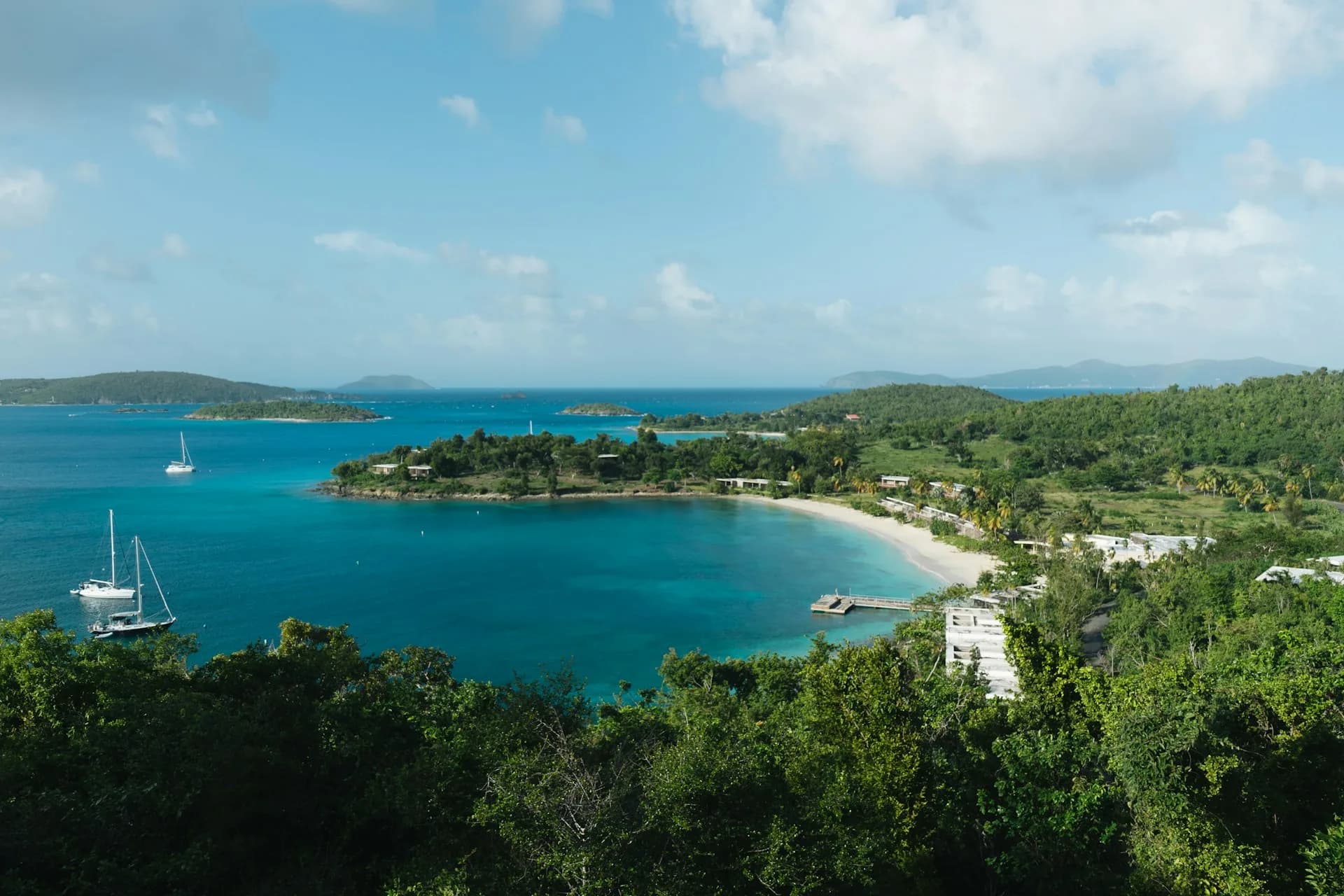

Antigua & Barbuda


Portugal


UAE
Nigeria taxes residents on worldwide income; non-residents on Nigerian-sourced. Personal income tax is administered at state level (Lagos, Federal Capital Territory primarily). Tax-residency change requires non-presence ≥182 days in the tax year. Central Bank of Nigeria (CBN) forex regime is the operational constraint on most CBI funding — official-channel forex access is structured and limited; many clients use existing offshore-held assets, foreign-currency salary income, or invoice-financed business proceeds for CBI funding. Tax-residency planning interacts with Nigerian banking — non-resident designation can simplify withholding tax administration.
Nigeria permits dual citizenship for adults under Section 28 of the Constitution — Nigerians can freely hold a Caribbean, EU, or Turkish passport without losing Nigerian citizenship. The Nigerian passport's mid-tier reach means a Caribbean (157) or EU (186) passport delivers a substantial visa-free upgrade. Children of dual citizens inherit both citizenships. CBI is well-established among Nigerian UHNW clients; the practice has handled Nigerian Caribbean files since the early 2000s.
Speak to a senior adviser
Not Sure Which Programme to Choose?
Book a one to one video consultation. We look at your goals, family and budget, then set out which programmes fit you, with the costs, timelines and next steps.
- Confidential, covered by an NDA
- Led by a senior adviser
- Final price shown before you book
Programme Review
You review your booking and pay securely on the next step.
Frequently asked questions
Will I lose my Nigerian citizenship?
No — Nigeria permits dual citizenship. Nigerians can hold a Caribbean, EU, or Turkish passport without affecting Nigerian nationality.
How do I fund CBI given CBN forex restrictions?
Through existing offshore-held assets, foreign-currency income (salary, invoiced services), or business proceeds in foreign-currency-denominated accounts. Multi-year structuring is common; direct naira-to-USD outflow through official channels is generally inefficient for CBI funding.
Which programme is most popular among Nigerian clients?
Caribbean CBI — Dominica for lowest-cost, St. Kitts for premium, Antigua for family economics. Portugal Golden Visa increasingly popular for the EU citizenship pathway.
How does banking acceptance work for Nigerian-CBI passports?
Western correspondent banks apply enhanced KYC across the board for Nigerian-born holders regardless of CBI passport. Clean source-of-funds documentation is the determinant of banking acceptance. Plan banking strategy in parallel with the application.
Will I lose my current citizenship?
It depends on the law of your current country. Some allow dual citizenship freely, others restrict it or require permission. Take advice before you apply.
Which programmes are open to my nationality?
Eligibility depends on each programme. Some exclude certain nationalities or apply extra checks. The programmes on this page are suggestions; confirm eligibility for your nationality on each programme page or with an advisor.
Explore further
Programmes, guides, insights and tools related to this page.
More on investment migration for Nigerian citizens
Nigerian investment migration is largely Caribbean-led. The dominant patterns: (1) Caribbean CBI for visa-free upgrade and Plan-B mobility — Dominica at the entry level, St. Kitts at the premium tier, Antigua for family economics; (2) Portugal Golden Visa for EU citizenship pathway and family education access; (3) Turkey CBI for capital-recoverable mobility at mid-tier reach. UAE Golden Visa is rising for Nigerians with substantive Gulf business operations. Banking acceptance is the operational bottleneck on most files — Nigerian-born holders face enhanced KYC at Western banks regardless of CBI passport, so clean source-of-funds documentation and parallel banking strategy are essential. The practice handles roughly 50 Nigerian files per year, predominantly Caribbean.