
Investment Migration for
Iranian Citizens.
Sanctions-aware investment migration for Iranian nationals. Programmes that accept Iranian applicants, banking realities, and post-sanctions restrictions.
- Iran passport rank:
- #96
Common motivations
- 1
Visa-free travel — Iranian passport access is heavily restricted
- 2
Banking access — Iranian-passport KYC is among the strictest globally
- 3
Family-mobility for descendant education and business
- 4
Plan-B citizenship for ongoing political and economic uncertainty
Iranian investment migration operates under the heaviest banking and sanctions constraints in the practice. Programme acceptance is uneven — Turkey, UAE, and Vanuatu are consistently accepting; the Caribbean five accept selectively with enhanced due diligence; EU programmes are heavily restricted; Malta CBI does not currently accept Iranian applicants. Banking is the more operational constraint than programme acceptance — even a clean Caribbean or Turkish passport for an Iranian-born holder triggers heavy KYC at Western correspondents. The practice's Iranian-client work focuses on (1) clean source-of-funds files designed to survive enhanced diligence, (2) banking strategy parallel to the application using Turkish, Emirati, or Asian correspondent venues, and (3) Plan-B layering — typically Turkey CBI for Eurasia mobility plus UAE Golden Visa for tax substance, occasionally with a Caribbean second passport once acceptance is confirmed. Sanctions exposure is screened at intake.
Best fits for Iranian citizens


UAE
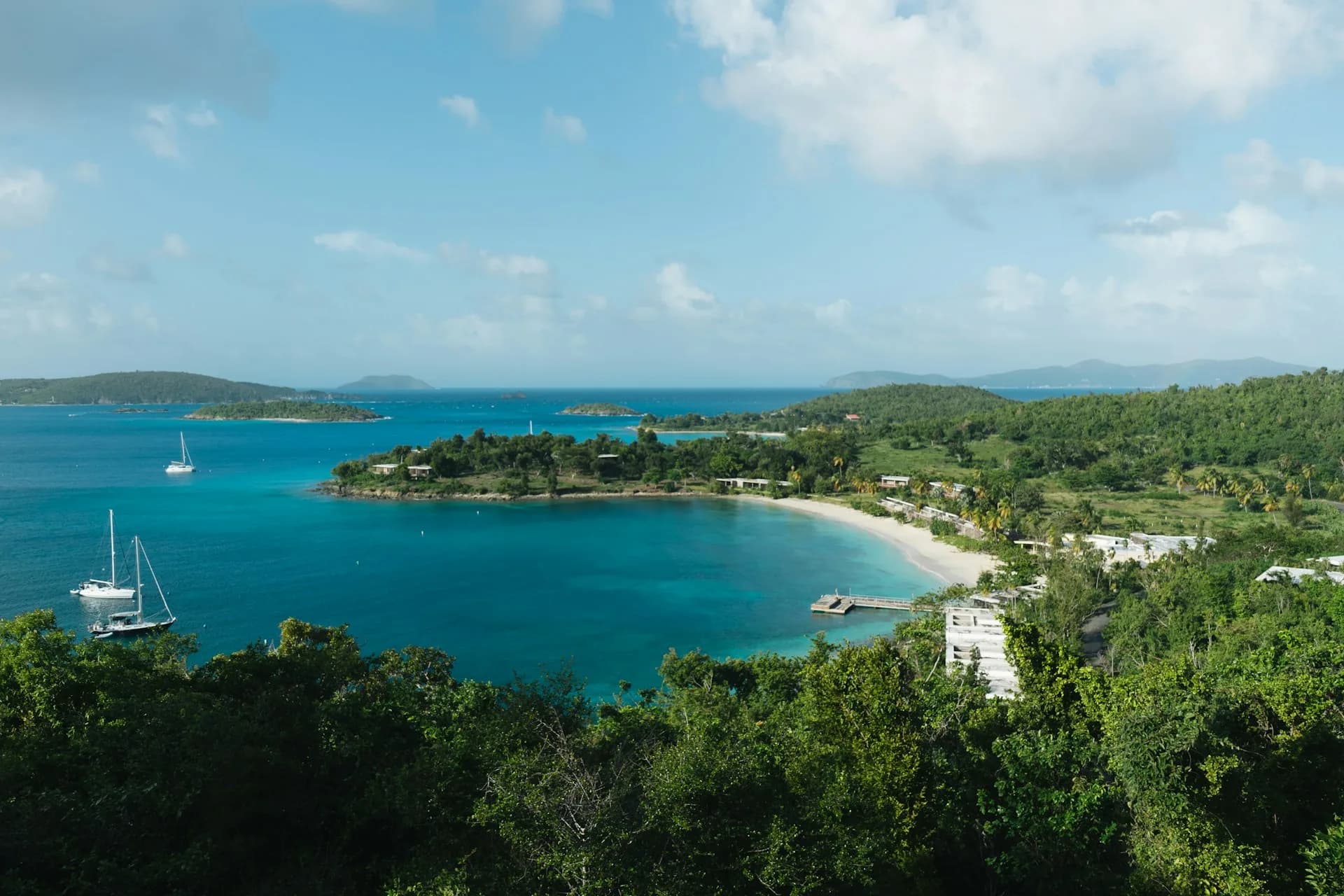

Antigua & Barbuda
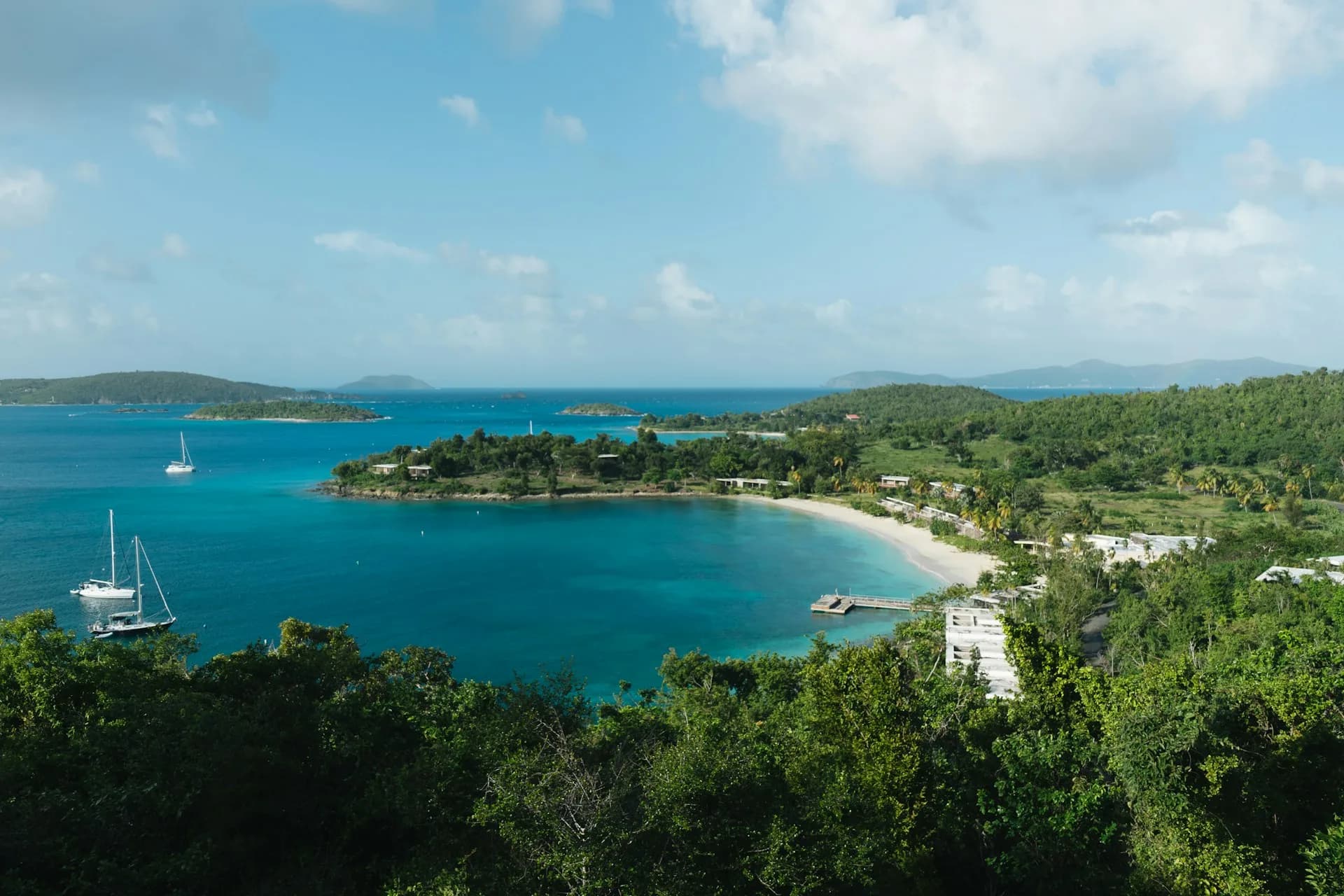

Vanuatu


Dominica


Greece
Iranian tax residency is determined by physical-presence tests; tax-residency change requires sustained non-presence and ties-test compliance. Sanctions exposure is the dominant operational constraint — most Iranian capital cannot transit through Western correspondent-banking infrastructure. CBI funding typically goes through pre-existing offshore assets, family-office structures in non-sanctioned jurisdictions, or business-banking arrangements with Turkish, Emirati, or Asian counterparties. UAE has historically been the dominant pre-CBI staging jurisdiction for Iranian capital.
Iran permits dual citizenship for adults — Iranians can hold a Caribbean, Turkish, or other non-Iranian passport without losing Iranian citizenship, though Iranian authorities may not formally recognise the foreign citizenship. Sanctions exposure is the dominant operational constraint: even a clean Caribbean or Turkish passport for an Iranian-born holder triggers heavy KYC at Western banks. Programme acceptance is uneven — Turkey, UAE, and Vanuatu are most consistently accepting; Caribbean CBI cluster accepts selectively; EU programmes are heavily restricted. Sanctions-list overlap or PEP exposure disqualifies Iranian applicants from most operative programmes.
Speak to a senior adviser
Not Sure Which Programme to Choose?
Book a one to one video consultation. We look at your goals, family and budget, then set out which programmes fit you, with the costs, timelines and next steps.
- Confidential, covered by an NDA
- Led by a senior adviser
- Final price shown before you book
Programme Review
You review your booking and pay securely on the next step.
Frequently asked questions
Which programmes accept Iranian applicants in 2026?
Turkey, UAE Golden Visa, and Vanuatu are most consistently accepting. Caribbean CBI (St. Kitts, Antigua, Dominica) accepts Iranian applicants subject to enhanced due diligence and sanctions screening. EU Golden Visas are heavily restricted; Maltese CBI does not currently accept Iranian applicants.
How is banking acceptance for Iranian-CBI passport-holders?
Materially restricted regardless of programme. Even clean Caribbean or Turkish passports for Iranian-born holders trigger enhanced KYC. Banking strategy must be planned in parallel with the CBI application — Turkish, Emirati, or Asian correspondent banks are the operational venues, not Western mega-banks.
Does Iran recognise dual citizenship?
Iran permits dual citizenship in practice for adults; Iranian authorities may not formally recognise the foreign citizenship for purposes of consular protection or Iranian-jurisdiction administration. Travel between Iran and the second country of citizenship may require Iranian passport use within Iran.
What about sanctions exposure?
Sanctions exposure is individual-level. Iranian applicants without sanctions-list overlap, PEP exposure, or politically-sensitive profiles can pursue programmes that accept Iranian nationals subject to enhanced diligence. Sanctions or PEP overlap disqualifies applicants from all operative programmes regardless of nationality.
Will I lose my current citizenship?
It depends on the law of your current country. Some allow dual citizenship freely, others restrict it or require permission. Take advice before you apply.
Which programmes are open to my nationality?
Eligibility depends on each programme. Some exclude certain nationalities or apply extra checks. The programmes on this page are suggestions; confirm eligibility for your nationality on each programme page or with an advisor.
Explore further
Programmes, guides, insights and tools related to this page.
More on investment migration for Iranian citizens
Iranian investment migration operates under the heaviest banking and sanctions constraints in the practice. Programme acceptance is uneven — Turkey, UAE, and Vanuatu are consistently accepting; the Caribbean five accept selectively with enhanced due diligence; EU programmes are heavily restricted; Malta CBI does not currently accept Iranian applicants. Banking is the more operational constraint than programme acceptance — even a clean Caribbean or Turkish passport for an Iranian-born holder triggers heavy KYC at Western correspondents. The practice's Iranian-client work focuses on (1) clean source-of-funds files designed to survive enhanced diligence, (2) banking strategy parallel to the application using Turkish, Emirati, or Asian correspondent venues, and (3) Plan-B layering — typically Turkey CBI for Eurasia mobility plus UAE Golden Visa for tax substance, occasionally with a Caribbean second passport once acceptance is confirmed. Sanctions exposure is screened at intake.