
Investment Migration for
Brazilian Citizens.
Brazilian-specific investment migration. BRL volatility, Receita Federal worldwide-income rules, popular EU and Caribbean programmes.
- Brazil passport rank:
- #19
Common motivations
- 1
Tax-residency optimisation outside Receita Federal worldwide-income exposure
- 2
Family-mobility for descendant education and EU access
- 3
Visa-free travel upgrades — Brazilian passport is strong (19) but EU access without naturalisation is limited
- 4
Plan-B citizenship for political and economic uncertainty
Brazilian investment migration is dominated by Portugal — the linguistic fit alone makes Portugal the consensus EU destination, and NHR-2.0 alongside the Golden Visa adds substantial tax efficiency for foreign-sourced earnings. Malta CBI works for higher-budget Brazilian UHNW wanting direct EU citizenship at €600K rather than via the 5-year Portuguese clock. UAE Golden Visa is rising for Brazilians restructuring tax exposure around BRL volatility. Caribbean CBI is the Plan-B layer — geographic and cultural proximity to Brazil makes Caribbean passports operationally accessible. The practice handles roughly 45 Brazilian files per year, ~70% Portugal, with the balance split across Malta, UAE, and Caribbean.
Best fits for Brazilian citizens


Portugal


Malta


UAE


St. Kitts & Nevis
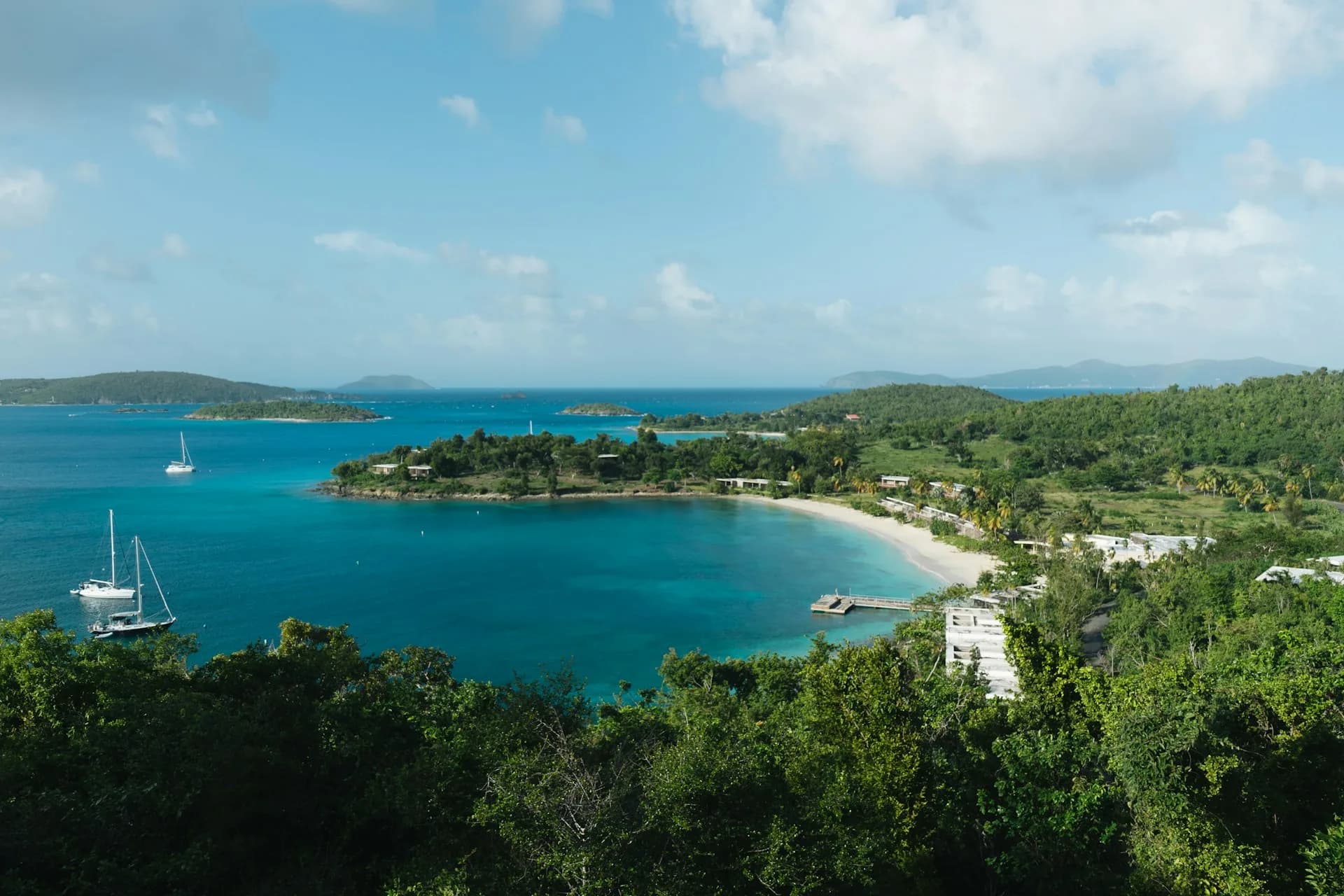

Antigua & Barbuda
Brazil taxes residents on worldwide income at progressive rates. Tax-residency change requires formal non-resident filing with Receita Federal + meeting non-presence tests. Brazilian UHNW restructuring around tax exposure typically targets Portugal NHR-2.0 (linguistic fit + EU citizenship pathway), UAE 0% positioning, or Singapore territorial. BRL volatility makes tax-residency planning a recurring topic; clean exit-strategy documentation is essential to avoid future Brazilian tax-resident reclassification.
Brazil permits dual citizenship freely — Brazilians can hold Caribbean, EU, or other passports without affecting Brazilian citizenship. Children of Brazilian parents inherit Brazilian citizenship by descent regardless of birth country. The Brazilian passport ranks 19 globally; a Maltese or Portuguese passport adds full EU labour mobility and university access that the Brazilian passport doesn't grant.
Speak to a senior adviser
Not Sure Which Programme to Choose?
Book a one to one video consultation. We look at your goals, family and budget, then set out which programmes fit you, with the costs, timelines and next steps.
- Confidential, covered by an NDA
- Led by a senior adviser
- Final price shown before you book
Programme Review
You review your booking and pay securely on the next step.
Frequently asked questions
Will I lose my Brazilian citizenship?
No — Brazil permits dual citizenship freely. Brazilians can hold any number of additional passports without affecting Brazilian nationality.
Why do Brazilians choose Portugal so often?
Portuguese is Brazil's national language — the EU citizenship language test (basic A2 Portuguese) is essentially trivial for native Portuguese speakers. NHR-2.0 alongside the visa is highly tax-efficient for foreign-sourced income. Family inclusion and 5-year naturalisation make it the natural EU-pathway choice.
How does Receita Federal treat foreign-passport-holders?
Foreign passport does not by itself change Brazilian tax-residency. Tax-residency change requires formal non-resident filing + meeting non-presence tests. Brazilian-sourced income remains Brazilian-taxable for non-residents at standard withholding rates.
Which programme is most popular among Brazilian clients?
Portugal Golden Visa — by a wide margin. Linguistic fit, NHR-2.0, family-friendly, 5-year citizenship pathway. Malta CBI for higher-budget Brazilian UHNW.
Will I lose my current citizenship?
It depends on the law of your current country. Some allow dual citizenship freely, others restrict it or require permission. Take advice before you apply.
Which programmes are open to my nationality?
Eligibility depends on each programme. Some exclude certain nationalities or apply extra checks. The programmes on this page are suggestions; confirm eligibility for your nationality on each programme page or with an advisor.
Explore further
Programmes, guides, insights and tools related to this page.
More on investment migration for Brazilian citizens
Brazilian investment migration is dominated by Portugal — the linguistic fit alone makes Portugal the consensus EU destination, and NHR-2.0 alongside the Golden Visa adds substantial tax efficiency for foreign-sourced earnings. Malta CBI works for higher-budget Brazilian UHNW wanting direct EU citizenship at €600K rather than via the 5-year Portuguese clock. UAE Golden Visa is rising for Brazilians restructuring tax exposure around BRL volatility. Caribbean CBI is the Plan-B layer — geographic and cultural proximity to Brazil makes Caribbean passports operationally accessible. The practice handles roughly 45 Brazilian files per year, ~70% Portugal, with the balance split across Malta, UAE, and Caribbean.