
Investment Migration for
Argentine Citizens.
Argentine-specific investment migration. AFIP worldwide-income rules, BCRA capital controls, popular EU and Caribbean programmes.
- Argentina passport rank:
- #18
Common motivations
- 1
Capital-mobility outside BCRA capital controls
- 2
Tax-residency optimisation outside AFIP worldwide-income exposure
- 3
Family-mobility for descendant education in EU/US
- 4
Plan-B citizenship for ongoing political and economic uncertainty
Argentine investment migration is dominated by Spain — the 2-year Iberoamerican naturalisation pathway is materially faster than any other EU citizenship route, making Spain Golden Visa the consensus pick for Argentines wanting EU citizenship. Portugal Golden Visa is the secondary choice (5-year clock with NHR-2.0). Malta CBI works for higher-budget Argentine UHNW. UAE Golden Visa is rising for Argentines restructuring around peso volatility and AFIP exposure. Caribbean CBI is Plan-B mobility. BCRA capital controls are the operational bottleneck — multi-year structuring through ADRs, USD-bonds, or Uruguay-based banking is standard. The practice handles roughly 30 Argentine files per year, predominantly Spain and Portugal.
Best fits for Argentine citizens


Portugal


Malta


UAE


St. Kitts & Nevis


Greece
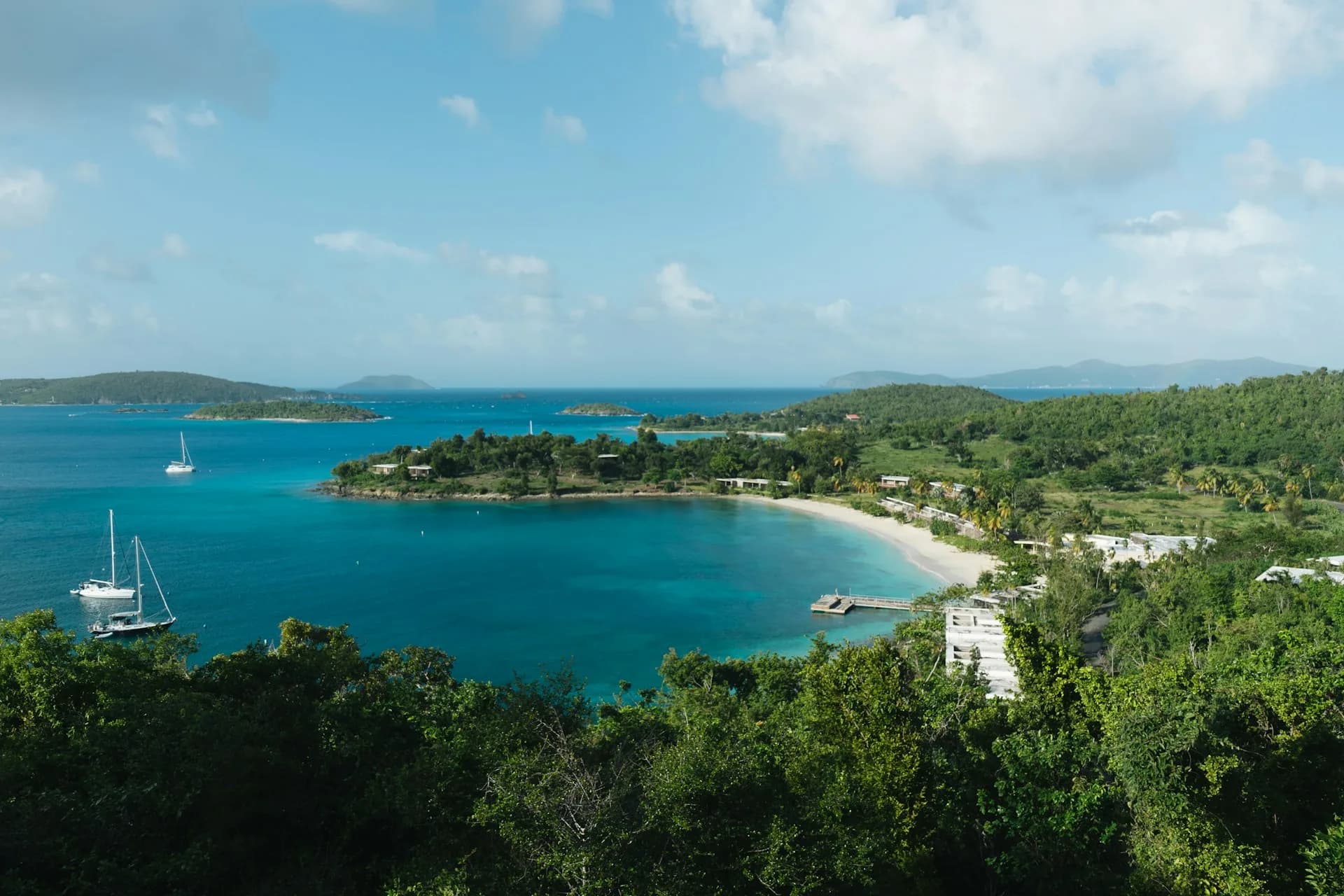

Antigua & Barbuda
Argentina taxes residents on worldwide income; non-residents on Argentine-sourced only. Tax-residency change requires formal AFIP filing + meeting non-presence tests. Argentina's wealth tax (Bienes Personales) applies to worldwide assets for residents. BCRA capital-control regime materially restricts ARS-to-USD outflow for personal investment; most CBI funding for Argentine clients comes from pre-existing offshore-held assets or foreign-currency income from non-Argentine sources. Tax-residency optimisation typically targets Spain (Iberoamerican naturalisation pathway), Portugal NHR-2.0, or UAE 0%.
Argentina permits dual citizenship freely. Argentines can hold any number of additional passports without affecting Argentine nationality. Critical Argentina-specific advantage: Iberoamerican nationals (Argentines, Brazilians, Chileans, etc.) qualify for Spanish citizenship after only 2 years of residency under Spain's special naturalisation pathway, vs the standard 10-year clock for non-Iberoamericans. Spain Golden Visa + Iberoamerican clock = EU citizenship in 2 years for Argentines, materially faster than any other EU pathway.
Speak to a senior adviser
Not Sure Which Programme to Choose?
Book a one to one video consultation. We look at your goals, family and budget, then set out which programmes fit you, with the costs, timelines and next steps.
- Confidential, covered by an NDA
- Led by a senior adviser
- Final price shown before you book
Programme Review
You review your booking and pay securely on the next step.
Frequently asked questions
Why does Spain offer Argentines special treatment?
Spain's naturalisation law grants Iberoamerican nationals (former Spanish colonies including Argentina, Brazil, Mexico, Colombia, Peru, Venezuela, Cuba, Dominican Republic, etc.) a 2-year naturalisation clock vs the standard 10 years. This is the fastest EU citizenship pathway available to Argentines.
How do I fund CBI given BCRA capital controls?
Through pre-existing offshore-held assets or foreign-currency income from non-Argentine sources. Direct ARS-to-USD outflow through official channels for personal investment is heavily restricted; multi-year structuring through ADRs, USD-denominated bonds, or Uruguay-based banking is common.
Which programme is most popular among Argentine clients?
Spain Golden Visa — by a wide margin. The 2-year Iberoamerican naturalisation pathway makes it the fastest EU citizenship route. Portugal is the secondary choice; Malta for higher-budget Argentine UHNW.
How does AFIP treat foreign-passport-holders?
Foreign passport does not by itself change Argentine tax-residency. Tax-residency change requires formal AFIP filing + meeting non-presence tests. Bienes Personales wealth tax applies to worldwide assets for Argentine residents.
Will I lose my current citizenship?
It depends on the law of your current country. Some allow dual citizenship freely, others restrict it or require permission. Take advice before you apply.
Which programmes are open to my nationality?
Eligibility depends on each programme. Some exclude certain nationalities or apply extra checks. The programmes on this page are suggestions; confirm eligibility for your nationality on each programme page or with an advisor.
Explore further
Programmes, guides, insights and tools related to this page.
More on investment migration for Argentine citizens
Argentine investment migration is dominated by Spain — the 2-year Iberoamerican naturalisation pathway is materially faster than any other EU citizenship route, making Spain Golden Visa the consensus pick for Argentines wanting EU citizenship. Portugal Golden Visa is the secondary choice (5-year clock with NHR-2.0). Malta CBI works for higher-budget Argentine UHNW. UAE Golden Visa is rising for Argentines restructuring around peso volatility and AFIP exposure. Caribbean CBI is Plan-B mobility. BCRA capital controls are the operational bottleneck — multi-year structuring through ADRs, USD-bonds, or Uruguay-based banking is standard. The practice handles roughly 30 Argentine files per year, predominantly Spain and Portugal.