
Investment Migration, Answered
Can I include my spouse in a CBI application?
Yes — every operative CBI programme includes the principal applicant's spouse and dependent children. Most also include parents and grandparents above a stated age (typically 55 or 65) with documentation of dependence. Sibling inclusion is rare — Antigua & Barbuda is the only operative programme that permits it among the harmonised five. Same-sex spouses are recognised by Maltese and Portuguese programmes; not by all Caribbean.
Spouse and dependent-child inclusion is universal across operative CBI programmes. Every programme includes the principal applicant's spouse and dependent children up to a stated age threshold — typically 18, sometimes 25 if in full-time education. Adult children outside the dependency definition file separately. Parents and grandparents are included by most programmes subject to documentation of financial dependence on the principal applicant; the qualifying age is typically 55 or 65. Sibling inclusion is rare — Antigua & Barbuda uniquely permits it among the harmonised Caribbean five; Malta does not. Same-sex spouses are recognised by Maltese, Portuguese, and Spanish programmes (where applicable); Caribbean recognition varies by programme and jurisdiction. The inclusion fee structure typically uses a base + per-additional-dependant model — marginal cost per additional family member is materially lower than the principal applicant's contribution. For families of four or more, per-head economics improve materially. Inclusion is filed at initial application; post-grant family additions are possible at most programmes subject to additional fees and supplementary diligence.
4 programmes relevant to this answer
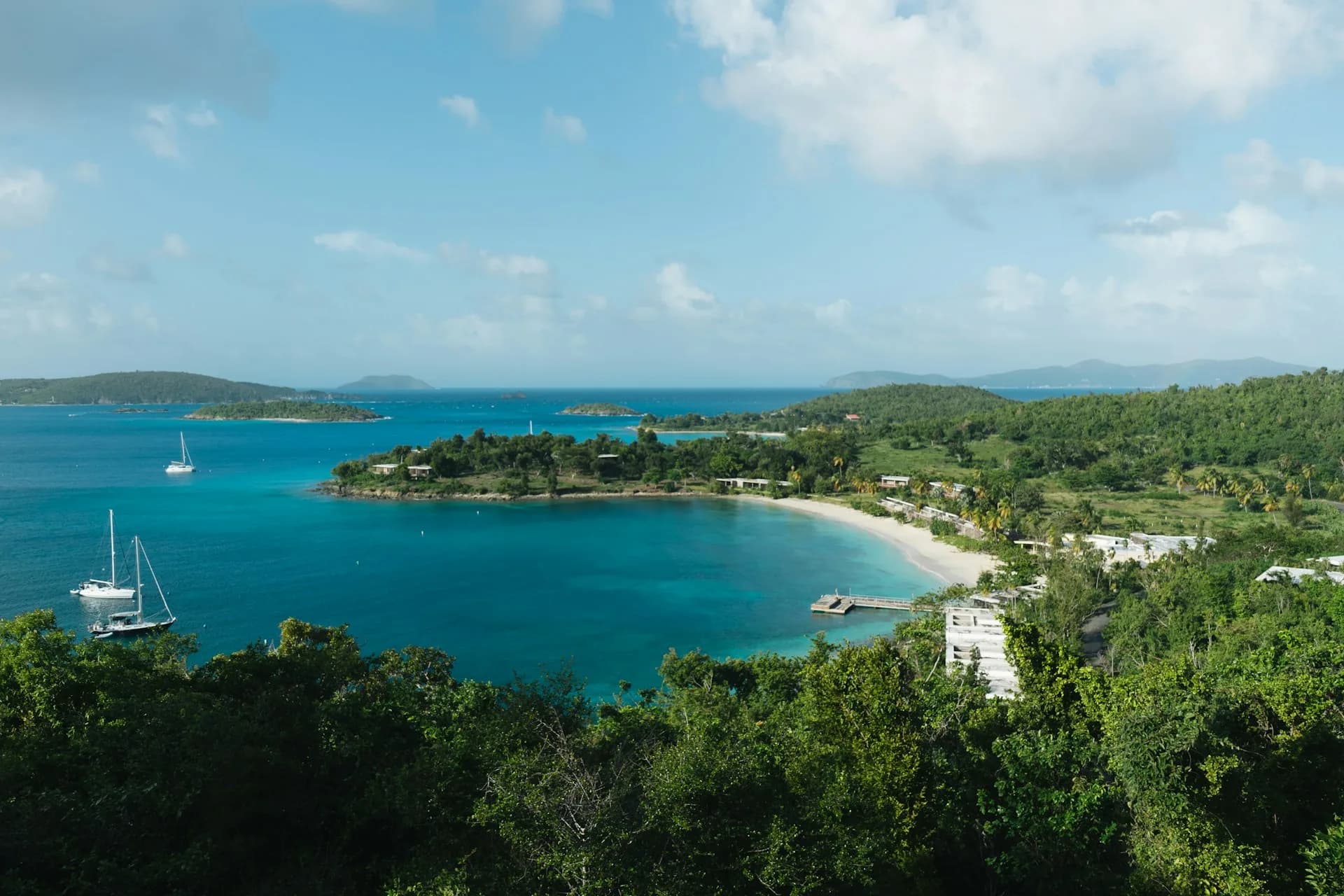

Antigua & Barbuda


Malta
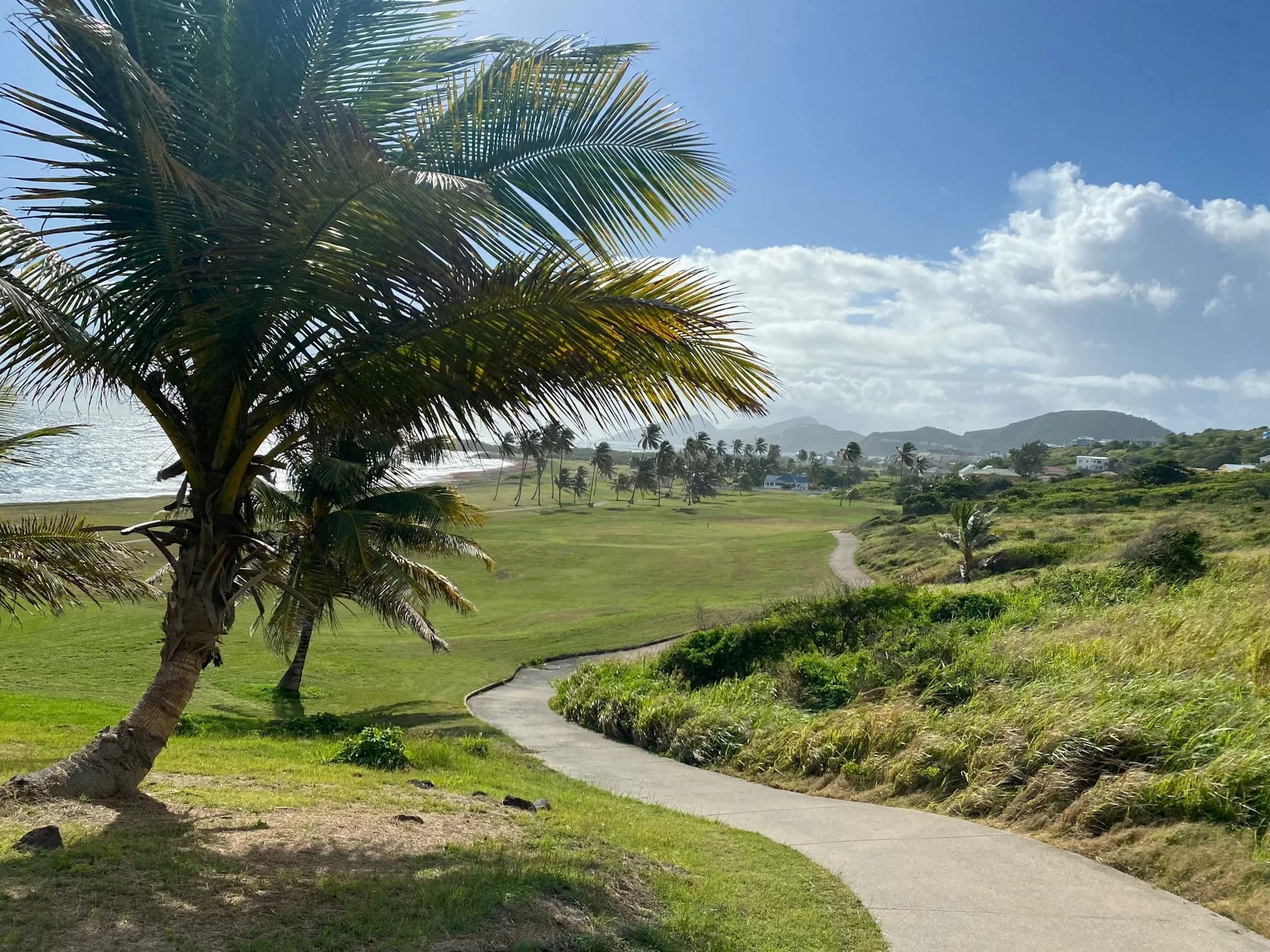

St. Kitts & Nevis
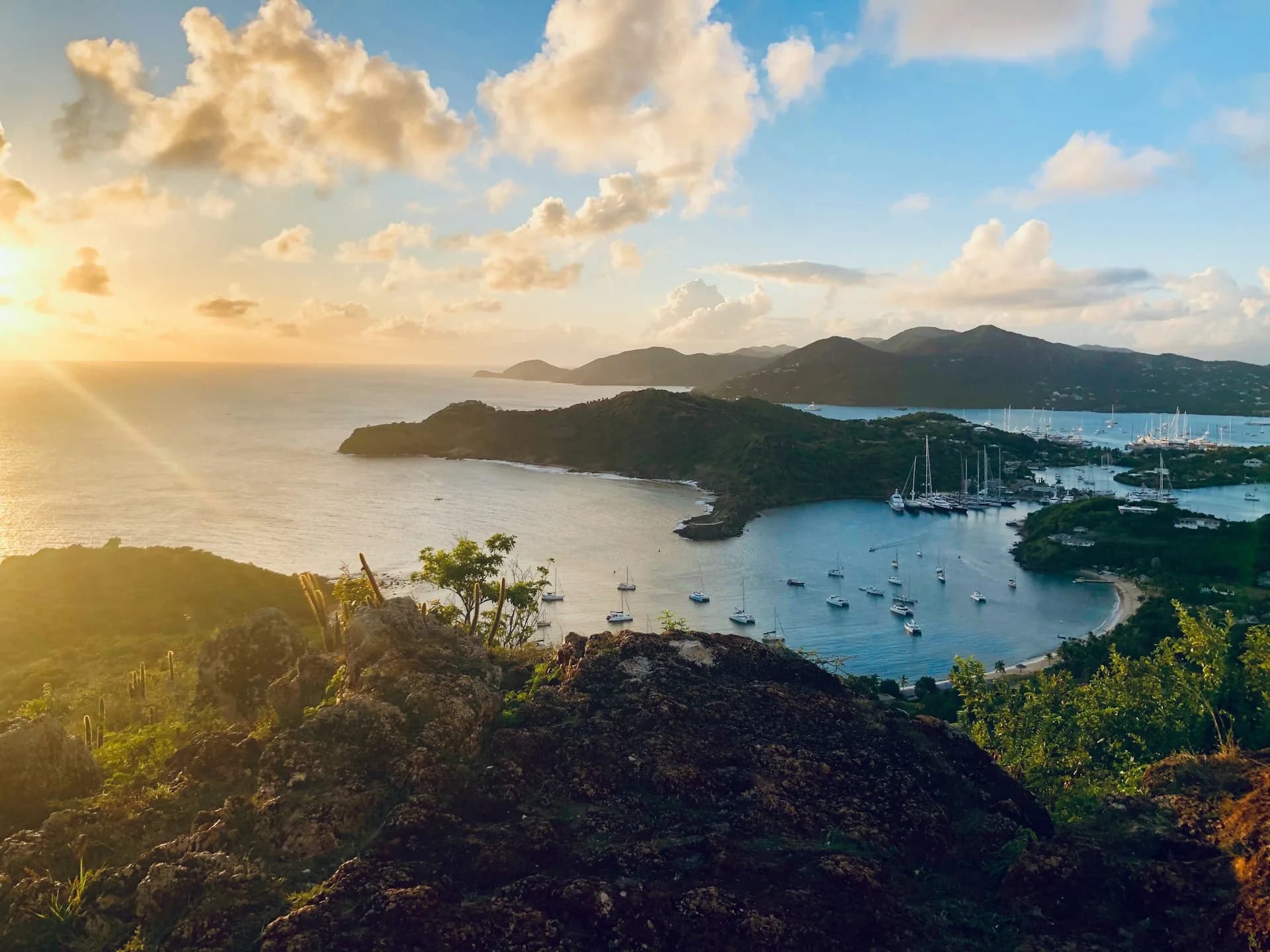

Dominica
Speak to a senior adviser
Not Sure Which Programme to Choose?
Book a one to one video consultation. We look at your goals, family and budget, then set out which programmes fit you, with the costs, timelines and next steps.
- Confidential, covered by an NDA
- Led by a senior adviser
- Final price shown before you book
Programme Review
You review your booking and pay securely on the next step.
Frequently asked questions
Can I include my spouse in a CBI application?
Yes — every operative CBI programme includes the principal applicant's spouse and dependent children. Most also include parents and grandparents above a stated age (typically 55 or 65) with documentation of dependence. Sibling inclusion is rare — Antigua & Barbuda is the only operative programme that permits it among the harmonised five. Same-sex spouses are recognised by Maltese and Portuguese programmes; not by all Caribbean.
Can I add my parents post-grant?
Yes — most Caribbean CBI programmes permit post-grant family additions for parents and grandparents. Additional fees and supplementary diligence apply. Filing with full family unit at initial application is operationally smoother.
Are unmarried partners included?
Generally no — most operative programmes recognise legal marriages or civil partnerships only. Unmarried-partner inclusion is rare and programme-specific.
What about adopted children?
Adopted children are typically treated as dependants under the same rules as biological children, subject to legal-adoption documentation. Most programmes treat adoption documentation under the dependency-evidence chain alongside birth-certificate documentation.
Explore further
Programmes, guides, insights and tools related to this page.
Related answers and resources
Investment migration is a long-tail decision space, the right answer depends on your specific tax-residency, family, banking, and timeline priorities. The links below are the most-clicked next reads for visitors who arrived at this question; the senior-advisor consultation is the fastest path to a tailored shortlist.