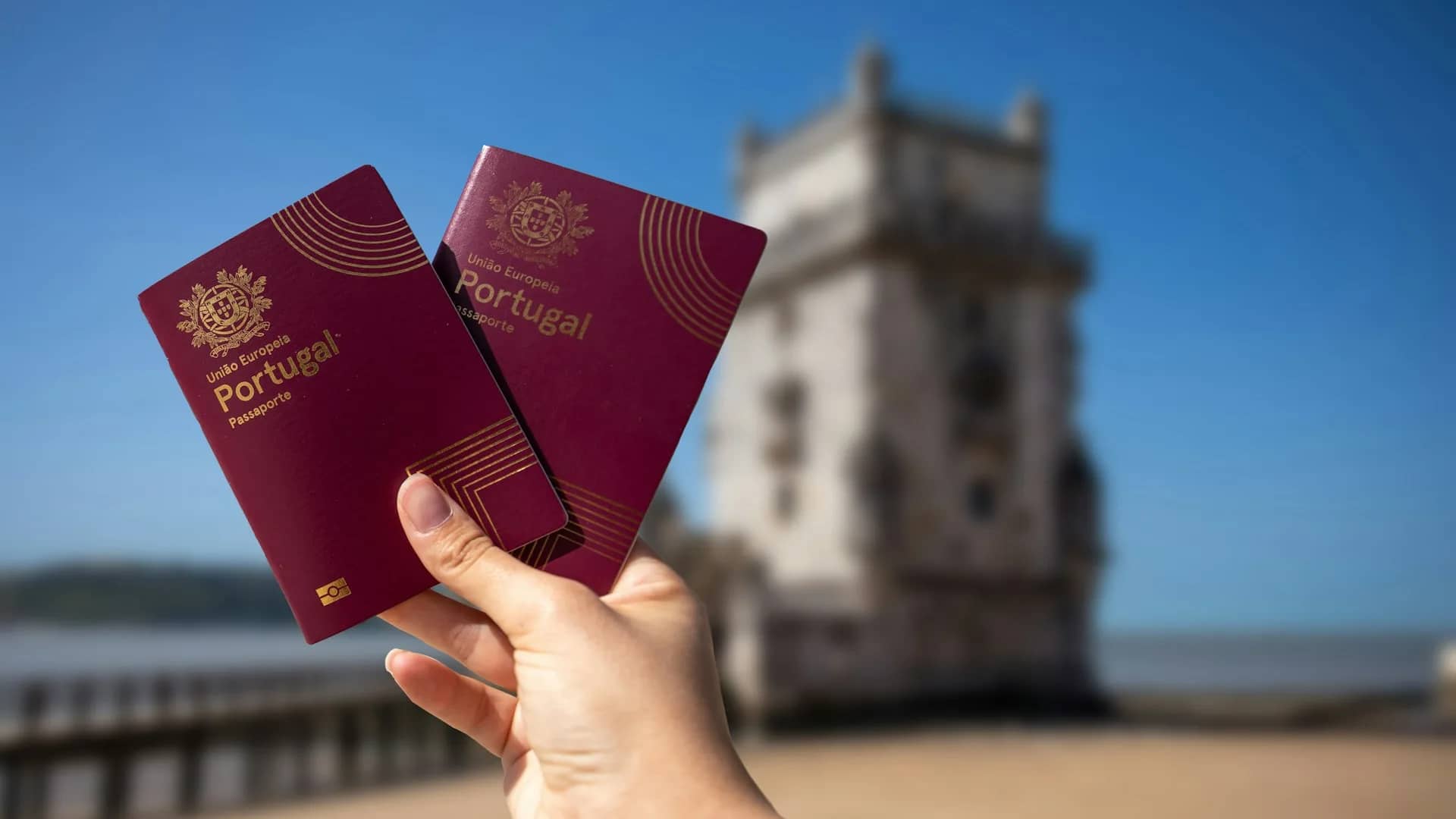
Citizenship by investment (CBI) allows a person to acquire a second nationality by making a qualifying economic contribution to a country. The programmes are created by national law and run by a government unit, which reviews every application and decides at its discretion.
Qualifying options usually fall into two groups: a non-refundable contribution to a national development fund, or an investment in approved real estate or a business that must be held for a minimum period. The entry point, holding period and fees differ from one country to another.
Every applicant and adult family member goes through due diligence. Authorities check identity, criminal records, reputation and — crucially — the lawful source of the funds being invested and of the applicant's wider wealth. Inconsistent or undocumented wealth is the most common reason for delays and refusals.
Most programmes allow a spouse and children to be included, and some also accept parents or other dependants. Government and due diligence fees are normally charged per person, so the total family cost can be noticeably higher than the headline investment.
Once approved and the investment is completed, the applicant receives a certificate of citizenship and can apply for a passport. Whether you can keep your existing nationality depends on your home country's rules, and a passport does not by itself change your tax residence. Rules change often, so confirm current requirements with an adviser before committing funds.
Programme facts
Citizenship by investment
- Minimum investment
- $250,000
- Processing
- 120–180 days
- Visa-free destinations
- 157
Citizenship by investment
- Minimum investment
- $230,000
- Processing
- 3–4 months
- Visa-free destinations
- 151
Citizenship by investment
- Minimum investment
- $200,000
- Processing
- 3–4 months
- Visa-free destinations
- 145